Josie Winter • 14 December 2023

"Global State of Patient Safety 2023"

A comprehensive overview of patient safety trends, challenges, and areas for improvement.

The "Global State of Patient Safety 2023" report, published by Imperial College London, presents an in-depth analysis of the current landscape of patient safety across various countries. This significant study dives into the complexities and nuances of healthcare systems, offering a clear picture of where nations stand in terms of patient safety and healthcare quality. It benchmarks countries, identifies trends and variations, and pinpoints both improvements and areas of concern in patient safety. The insights provided are crucial for healthcare professionals, policymakers, and the public, aiming to improve patient safety on a global scale. This blog post delves into the key findings of the report, shedding light on the successes, challenges, and potential paths forward in the realm of patient safety.


Patient Safety Country Ranking


Norway emerges as a frontrunner in patient safety, topping the list among the assessed countries. The UK finds itself in the 21st position out of 38 countries, indicating a middle-range performance in terms of patient safety standards. However, it's crucial to understand the nuances and limitations of this ranking. The methodology primarily concentrates on maternal and newborn care, providing a somewhat narrow scope of the healthcare spectrum. Additionally, the ranking largely relies on mortality rates as its key metric. This approach overlooks other critical aspects of patient safety, such as morbidity (disease prevalence and health complications) and psychological harm, which are equally important in evaluating the overall effectiveness and safety of healthcare systems. This limitation suggests that the ranking, while informative, does not present a complete picture of patient safety and healthcare quality in the evaluated countries.


Overall Observations


This section of the report provides a critical overview of the global trends in patient safety. One of the key findings is the minimal progress observed in several patient safety indicators over an extended period. This stagnation calls for a more in-depth analysis to unearth the root causes preventing improvement. Such a persistent lack of progress in key areas is concerning and warrants targeted research and policy interventions.


The report also highlights significant disparities in performance across different countries. This variation is notable in critical areas like maternal sepsis. These discrepancies point to a complex range of factors influencing patient safety, which may include healthcare infrastructure, policy, resource allocation, and public health strategies. The report suggests that understanding these variations is crucial for identifying best practices and areas requiring urgent attention. This knowledge could potentially inform strategies to enhance patient safety standards globally, especially in regions where improvement has been slow or non-existent.


Areas of Improvement:


  • Treatable Mortality: There's been a reduction in age-standardised deaths from treatable causes, indicating effective healthcare interventions​​.


  • Maternal and Neonatal Deaths: Global rates of these deaths have decreased significantly, yet disparities and challenges remain, especially in low and middle-income countries​​.


  • Safety in Surgery and Post-operative Care: Improvements are noted in some surgical safety indicators, although challenges like post-operative sepsis persist​​.


  • Safety in Mental Health Services: The report highlights the need for better patient safety data in mental health settings


Areas of Concern:


  • Adverse Effects of Medical Treatment: There's an increasing trend in deaths caused by adverse effects of medical treatment​​.


  • Inequities in Maternity Safety: Despite overall progress, there's a need to address rising late maternal deaths and inequities in maternity safety​​.


  • Waiting Times: Increasing waiting times for certain medical procedures are a concern, particularly in the context of the COVID-19 pandemic​​.


  • Patient Experience: Patient satisfaction with doctor interactions has decreased, underscoring the importance of quality in healthcare access​​.


  • Medication Safety: The risks associated with medication errors and decisions around treatment courses, like opioid prescriptions, are highlighted​​.


  • Staff and Patient Perceptions of Safety: Variations in these perceptions emphasise the need for more standardised data collection at the international level.


The conclusion and recommendations of the "Global State of Patient Safety 2023" report offer a comprehensive roadmap for future action in enhancing patient safety worldwide. The report emphasises the insights provided by patients, their families, and carers, noting that these perspectives offer unique and critical information for improving care. It highlights the need for healthcare systems to not only create opportunities for patient involvement but also to actively empower and encourage their participation in patient safety.


The report advocates for a more inclusive approach to collecting patient safety data. It stresses the importance of data reflecting the real experiences of patients across the entire scope of care, not just during hospital stays. This data should be collected in real-time and utilised proactively to identify and respond to emerging safety issues. Additionally, there is a call to ensure that data collection adequately captures the safety perceptions and experiences of diverse patient groups, especially those from minority ethnic backgrounds.


To address these needs, the report recommends the development of a global repository for safety measurement and improvement interventions. This repository would house a wide range of interventions, recorded using a standardised framework to facilitate consistency and effective adoption. It would serve as a valuable resource for healthcare workers, researchers, and decision-makers, providing accessible information that can be applied in various health care contexts.


In summary, the report advocates for a more patient-driven approach to safety measurement and improvement, emphasising the need for broader and more inclusive data collection and sharing of best practices globally. This approach aims to foster a more proactive, responsive, and equitable healthcare environment, ultimately enhancing patient safety and care quality worldwide.


Call Us


Phone support is open from

 9 to 5.

Feel free to give us a call. 


Email Us


For general enquiries & questions, 

contact us via email


Book Free Consultation

Need some advice face to face? Book a free 30 minute MS Teams consultation


Share


CHECK OUT OUR OTHER BLOG POSTS


Healthcare Insights
by Josie Winter 4 June 2026
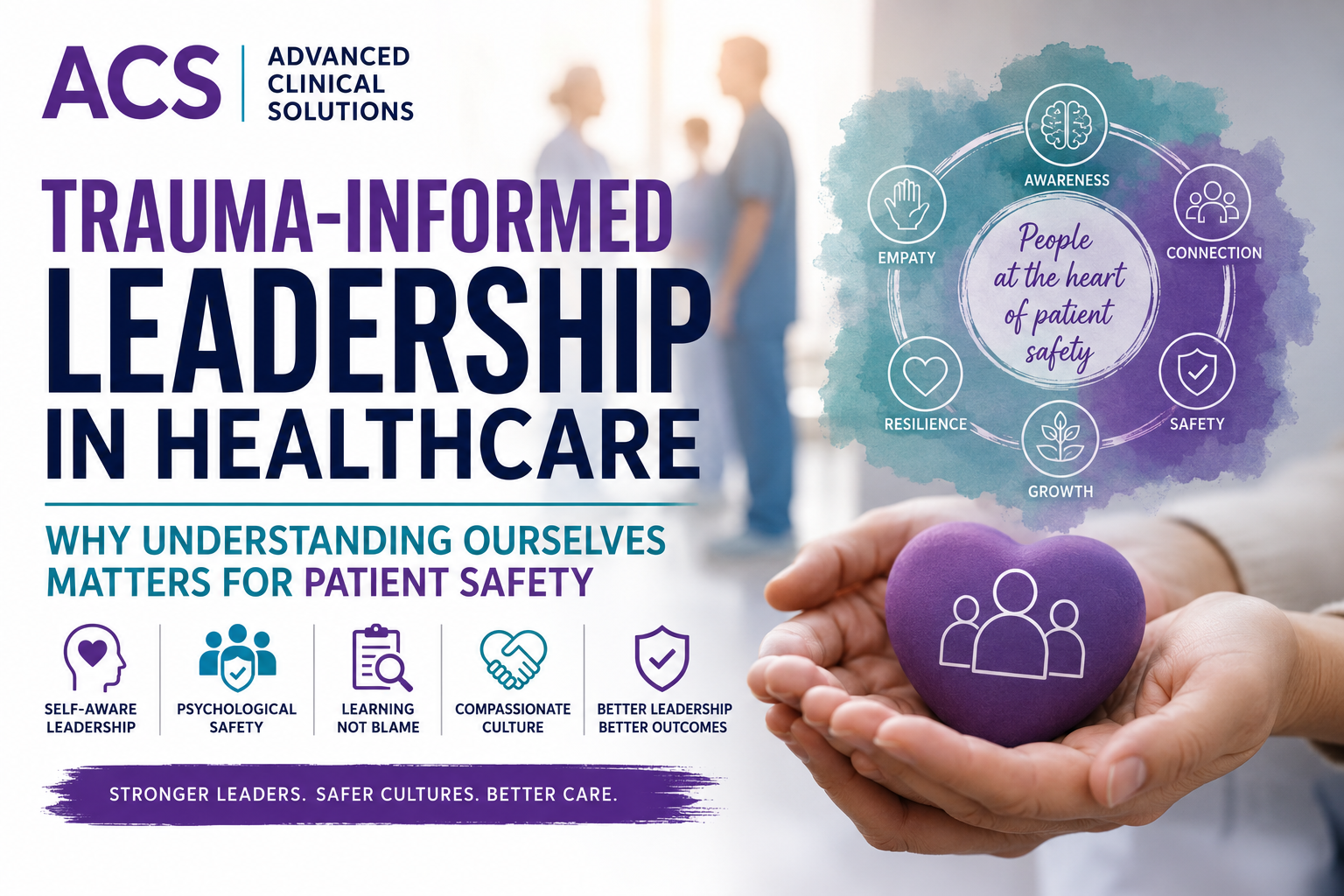
Introduction Over the last year, I have been quieter than usual on LinkedIn and social media. It wasn't because I had lost interest in healthcare, governance, patient safety, or leadership. Quite the opposite. I was doing something I should probably have done years ago. I was working on myself. Like many people working in healthcare, I spent years focusing on everyone else's needs. Patients. Staff. Organisations. Services. Improvement projects. Regulatory requirements. Governance systems. Risk registers. Incident investigations. What I rarely stopped to consider was how my own experiences, beliefs, coping mechanisms, and unresolved trauma influenced the way I led. Through therapy and self-reflection, I began to understand something that has fundamentally changed how I view leadership. The systems we build are often a reflection of the people leading them. And if we want safer organisations, stronger cultures, and better patient outcomes, we need to be willing to look beyond policies and procedures and explore the human beings behind them. The Leadership Conversation We Rarely Have Healthcare leadership is often discussed in terms of strategy, governance, performance, finance, and regulation. We talk about: Staffing shortages Quality indicators Patient safety metrics Inspection outcomes Workforce challenges Organisational performance All of these things matter. But there is a question we rarely ask: Who are the people leading these systems? Every leader arrives with a lifetime of experiences. Some arrive having grown up in stable environments where they learned trust, confidence, and emotional security. Others arrive carrying experiences of adversity, trauma, neglect, instability, loss, or chronic stress. Those experiences do not disappear when we step into leadership roles. They influence how we communicate, how we manage conflict, how we respond to pressure, and how we make decisions. In healthcare, where decisions can affect patient outcomes, this matters more than we often realise. Trauma Doesn't Stay at Home When people hear the word trauma, they often think of major life events. But trauma is not defined solely by what happened to us. It is often defined by how our nervous system learned to adapt in order to survive. Many of the traits that help people become successful healthcare leaders can also be rooted in coping mechanisms developed much earlier in life. For example: Hyper-Responsibility Many healthcare leaders carry an overwhelming sense of responsibility. They struggle to switch off. They feel personally accountable for everything. They take on too much and find it difficult to ask for help. On the surface, this can look like commitment.But beneath it may be a deeply ingrained belief that they must hold everything together because nobody else will. Perfectionism Healthcare attracts perfectionists. Attention to detail is important. But perfectionism can also create fear. Fear of failure. Fear of criticism. Fear of making mistakes. When leaders cannot tolerate imperfection in themselves, they often struggle to tolerate it in others.This can undermine learning cultures and psychological safety. Avoidance Some leaders avoid difficult conversations. Others delay decisions. Others become overwhelmed by conflict. These responses are rarely about capability. They are often about emotional survival strategies developed long before leadership positions were ever considered. Control Many leaders find delegation difficult. They feel safer when they maintain direct oversight. The challenge is that organisations become dependent on them, teams lose autonomy, and growth becomes limited. What Does This Have to Do With Patient Safety? Everything. Patient safety is often viewed through the lens of systems, processes, and governance. Those things are essential. But patient safety is also influenced by culture. And culture is heavily influenced by leadership. Consider the following: Psychological Safety If staff fear criticism, blame, or humiliation, they are less likely to speak up. Concerns remain hidden. Near misses go unreported. Learning opportunities are lost. Incident Reporting If leaders react defensively when incidents occur, staff quickly learn that reporting is risky. The result is under-reporting, reduced transparency, and missed opportunities for improvement. Duty of Candour Being open about mistakes requires emotional maturity and self-awareness. Leaders who struggle with shame or fear may unintentionally create environments where openness becomes difficult. Risk Management Leaders who avoid discomfort may avoid difficult risks. Leaders who fear conflict may tolerate poor performance. Leaders who need control may struggle to empower others. These behaviours can directly affect organisational safety. What Therapy Taught Me About Governance For much of my career, I believed good governance was primarily about systems. Risk registers. Policies. Audits. Committees. Performance reports. These things remain important. But what I have learned is that governance is also about people. You can have the best policies in the world. You can have comprehensive audits. You can have sophisticated reporting systems. But if leaders are unable to receive challenge, admit mistakes, or create psychological safety, governance will always be limited. The most effective governance systems are supported by leaders who are willing to reflect on themselves. Leaders who understand their strengths. Leaders who recognise their triggers. Leaders who are curious about their own behaviours. Leaders who understand that self-awareness is not a weakness but a governance asset. Trauma-Informed Leadership Is Not Soft Leadership This is one of the biggest misconceptions. Trauma-informed leadership is often misunderstood as being less accountable or less demanding. In reality, the opposite is true. Trauma-informed leaders still: Hold people accountable Address performance concerns Make difficult decisions Manage risk Maintain standards The difference is how they do it. They understand that people perform best when they feel psychologically safe. They recognise that curiosity often produces better outcomes than judgement. They understand that learning is more powerful than blame. And they appreciate that culture is built through everyday interactions rather than policies alone. Building Trauma-Informed Healthcare Organisations Trauma-informed leadership is not simply about individual leaders. It also influences how organisations operate. Healthcare organisations can become more trauma-informed by: Creating Psychological Safety Encouraging staff to speak openly about concerns, incidents, and mistakes without fear. Supporting Reflective Practice Giving staff and leaders opportunities to learn from experiences. Moving Beyond Blame Focusing on systems and contributing factors rather than individual fault. Investing in Leadership Development Developing emotional intelligence alongside technical and operational skills. Prioritising Wellbeing Recognising that workforce wellbeing and patient safety are closely connected. The Future of Healthcare Leadership Healthcare is becoming increasingly complex. Leaders face unprecedented pressures. Financial challenges. Regulatory scrutiny. Workforce shortages. Growing patient demand. Traditional leadership models focused solely on performance and compliance are no longer enough. The healthcare leaders of the future will need: Governance expertise Patient safety knowledge Emotional intelligence Self-awareness Systems thinking Compassionate leadership skills These are not competing priorities. They are complementary capabilities. The strongest leaders will be those who understand both organisations and themselves. Conclusion Over the last year, I have learned that leadership is not just about understanding organisations. It is also about understanding ourselves. The systems we create. The cultures we build. The decisions we make. The way we respond to challenge. The way we treat people. All of these things are influenced by the stories we carry. As healthcare leaders, we spend considerable time asking organisations to learn from incidents. Perhaps we should spend more time learning from ourselves too. Because one of the most important patient safety interventions we can make may not be a new policy, audit programme, or governance framework. It may be the willingness to look inward, understand our own experiences, and lead with greater awareness, compassion, and authenticity. In doing so, we create safer environments not only for our staff, but ultimately for the patients who depend on us.
by Josie Winter 4 June 2026
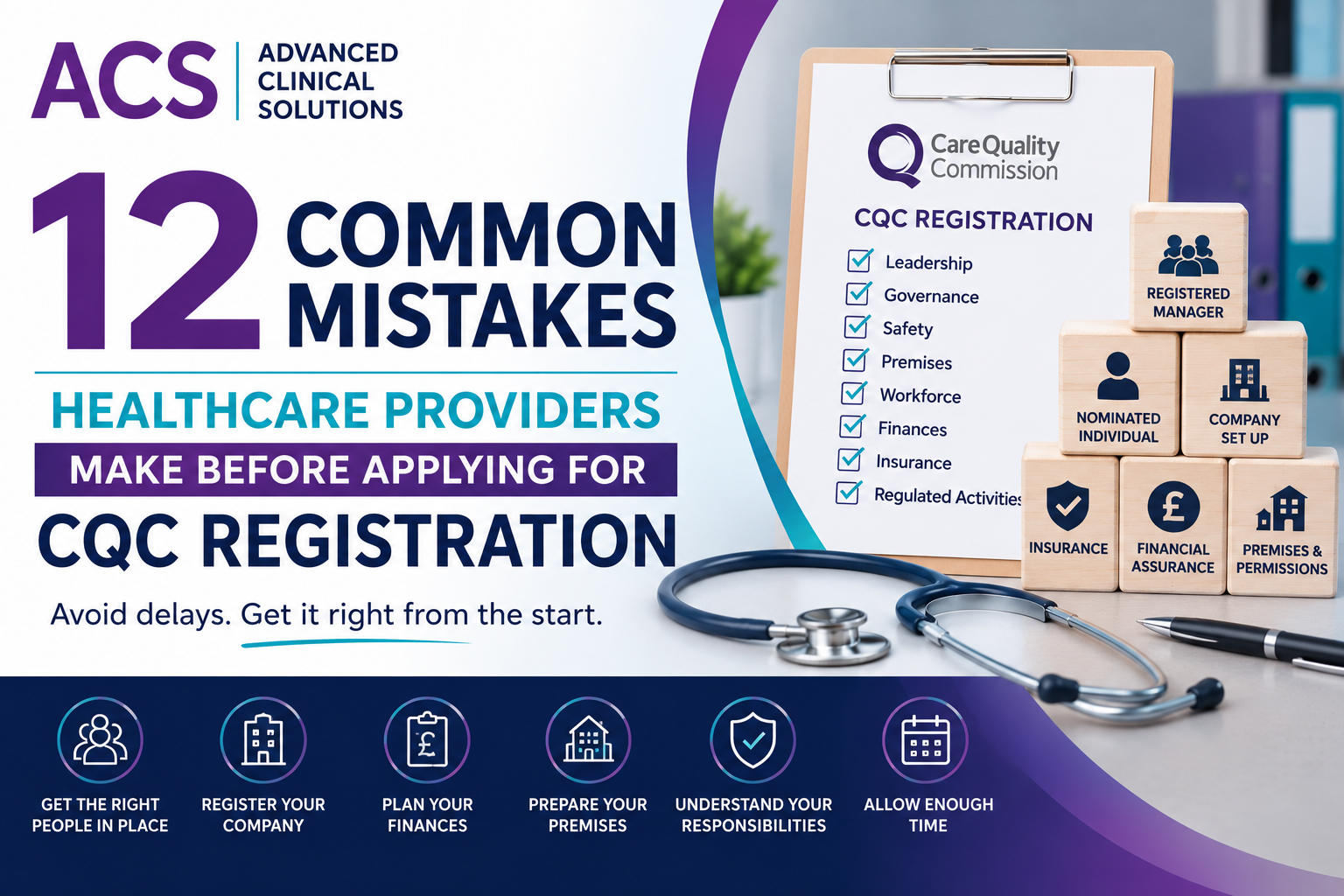
Avoid costly delays, strengthen your application, and build the foundations of a safe, sustainable healthcare service. 
by Josie Winter 4 June 2026
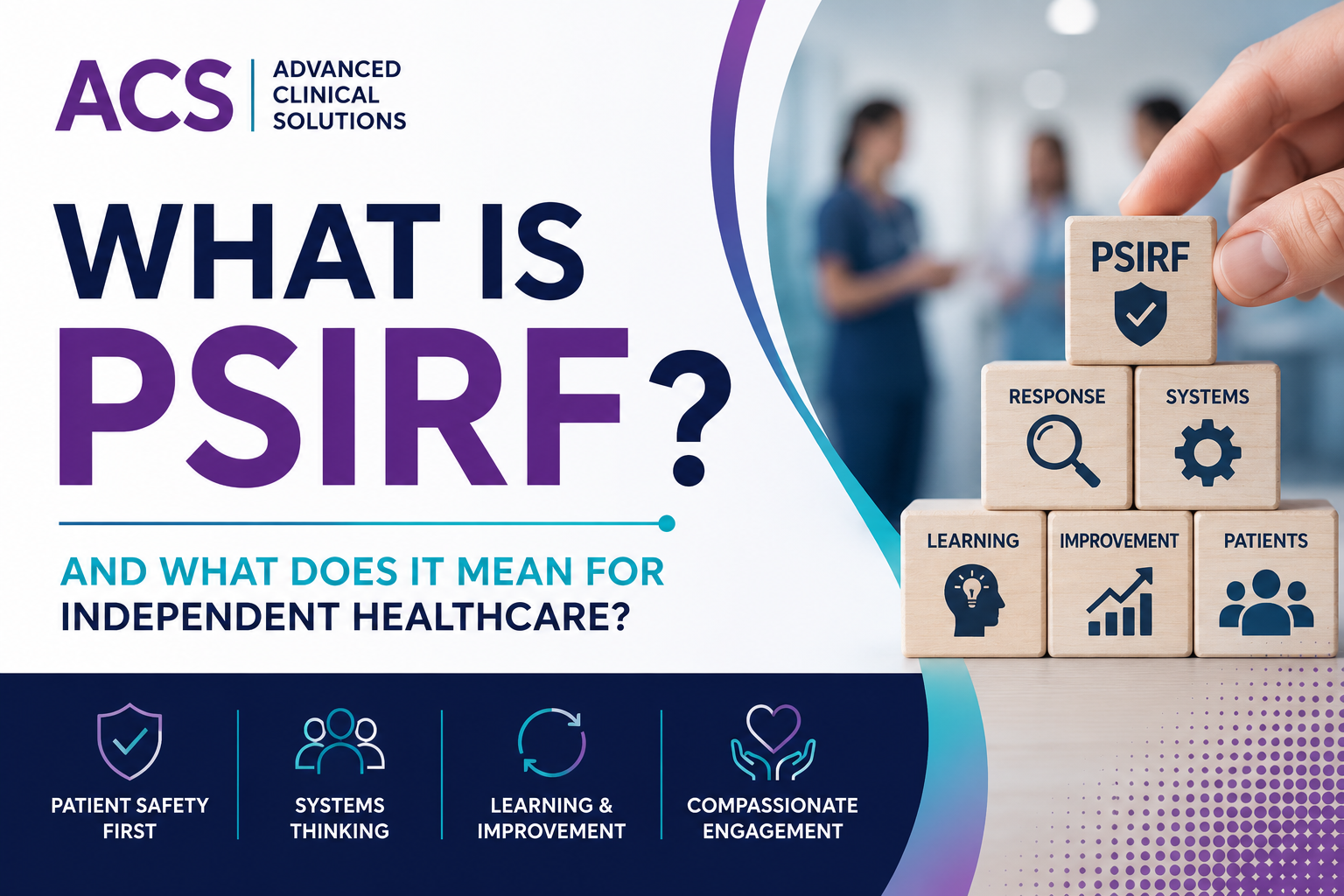
Understanding the Patient Safety Incident Response Framework and how it is transforming the way healthcare organisations learn from incidents.
by Josie Winter 13 November 2023
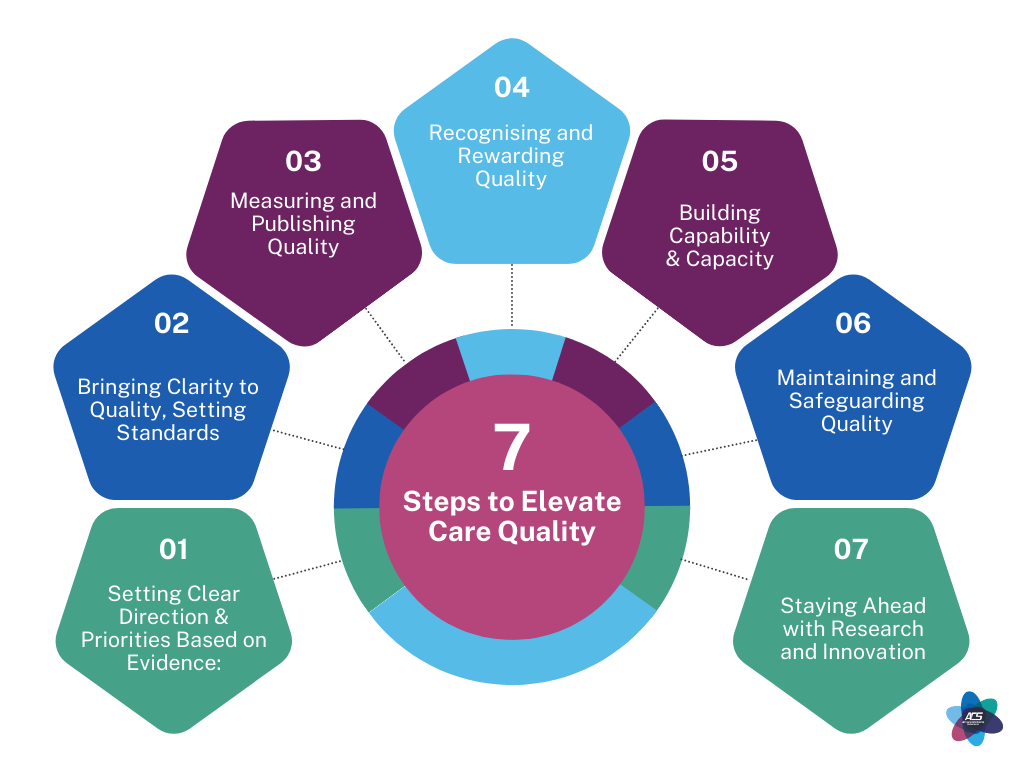
Explore the transformative journey towards healthcare excellence with our latest blog post, "Unlocking Excellence in Healthcare: A 7-Step Guide to Quality Care." This insightful post delves into the Health Foundation's adaptation of a Healthcare Quality Framework, presenting a comprehensive seven-step path designed to elevate the quality of care across the healthcare spectrum. From setting evidence-based priorities to embracing innovation and research, each step provides a strategic blueprint for healthcare professionals, organizations, and stakeholders to collaboratively enhance care quality. This guide is not just theoretical; it's a practical roadmap to close the care and quality gap, ensuring every patient receives the highest standard of care. Whether you're a healthcare provider seeking to improve patient outcomes or a stakeholder in the health sector, this blog post offers valuable insights and actionable strategies
Train the Trainer Model
by Josie Winter 14 October 2023
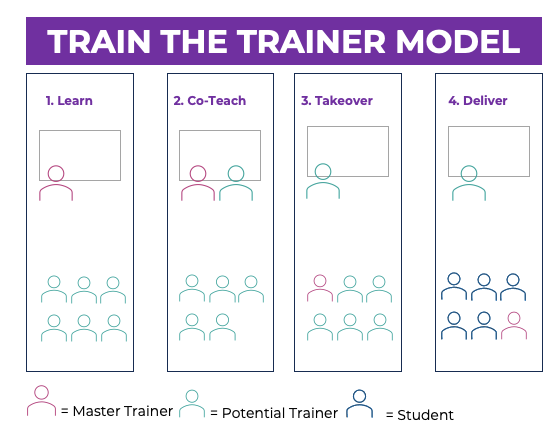
Train-the-Trainer (TTT) programs have emerged as a valuable strategy and cost effective way to enhance skills, knowledge, and performance among care professionals. These programs, however, come with their own set of benefits and risks. This article explores the advantages and potential pitfalls associated with TTT initiatives in the context of health and social care
10 Rights of Medication Poster
by Josie Winter 24 August 2023
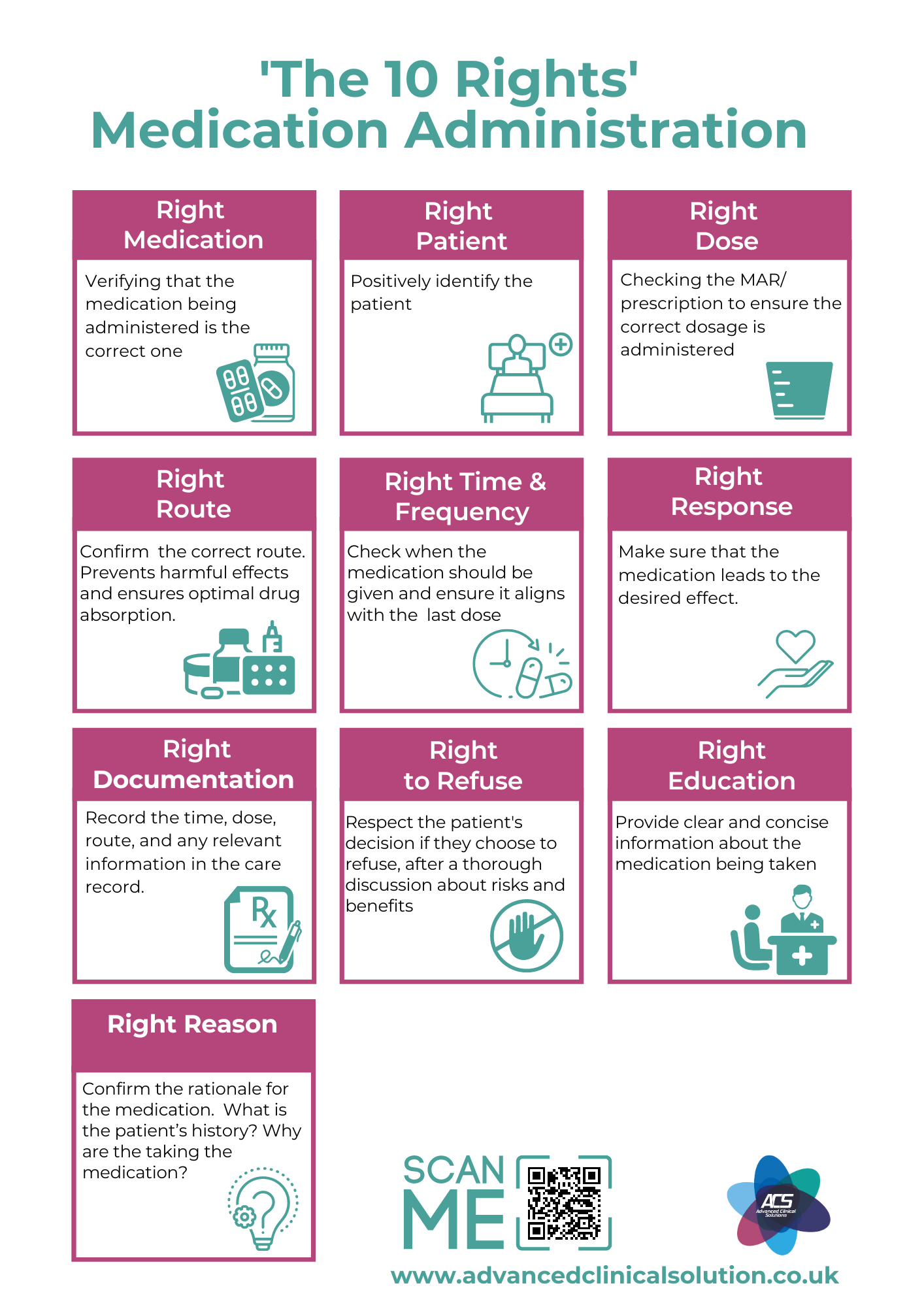
Mastering Medication Administration: Discover the 10 Rights for Medication Administration | Explore the comprehensive guide by Advanced Clinical Solutions, your trusted source for healthcare training. Elevate your expertise with our insightful blog post, delving into the crucial 10 Rights of Medication Administration. Learn how to ensure quality, safety, and patient well-being. Plus, don't miss our exclusive offerings – access FREE downloadable posters and specialized training resources on this essential topic. Enhance your skills today with Advanced Clinical Solutions!
by Josie Winter 17 August 2023
Elevating Care Standards: Bridging Healthcare Quality Improvement and Regulatory Compliance High care standards are essential for ensuring that patients receive the best possible care. However, bridging the gap between care quality improvement and regulatory compliance can be challenging. This blog post discusses the importance of high care standards, the impact of regulatory compliance, and strategies for bridging the gap between these two important concepts.
4 August 2023
Discover how Advanced Clinical Solutions Ltd (ACS) is leading the way in improving quality and meeting CQC standards through staff training and development. This comprehensive blog post explores the crucial role of well-trained healthcare professionals in delivering high-quality patient care, boosting staff confidence, and ensuring compliance with CQC regulations. Learn how ACS offers tailored training programs, highly qualified trainers, and a comprehensive curriculum to empower healthcare organisations to succeed in the ever-evolving landscape of healthcare.
Evidence
by Josie Winter 18 June 2023
The Care Quality Commission (CQC) is responsible for regulating and inspecting healthcare providers in England to ensure that they provide safe, effective, caring, responsive, and well-led care. The CQC will be using a new single assessment framework (SAF) to assess the quality of care provided by these healthcare providers. In this blog post, we will explore the process of how the CQC reaches a rating under the new Single Assessment Framework.
CQC Evidence Categories
1 June 2023
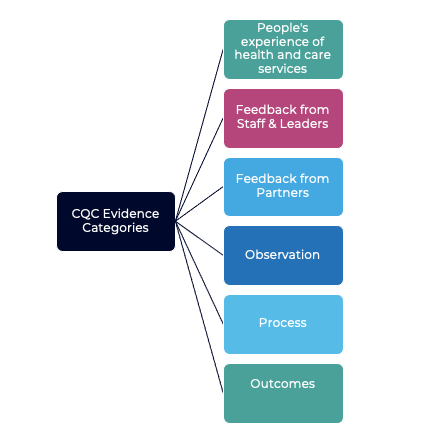
Gain insights into the CQC Single Assessment Framework. Explore evidence categories and stay up-to-date with the latest updates. Take a look & know more!
The Clinical Audit Cycle
by Josie Winter 19 May 2023
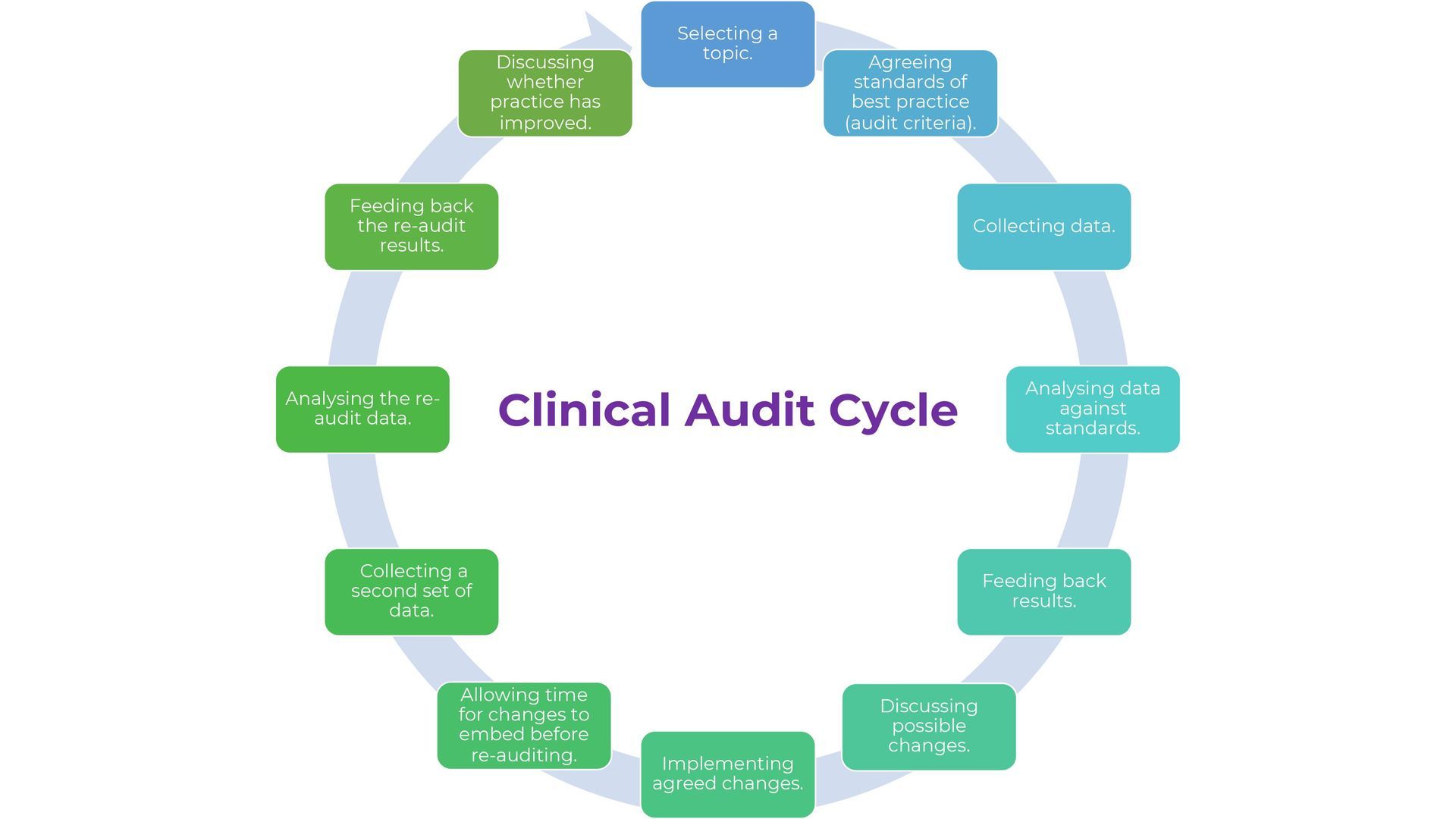
Understand the true meaning of Clinical Audit. Differentiate between audit and research with this informative article. Visit our website & learn more!
Patient Safety Shield
by Josie Winter 12 May 2023
Check out 10 common patient safety errors every healthcare professional Should Avoid. Visit Advanced Clinical Solutions Ltd and give this unique blog a read!
VR Healthcare Training
by Josie Winter 30 April 2023
Find 5 innovative training techniques for healthcare professionals. Visit Advanced Clinical Solutions Ltd and give this unique blog a read. Take a look!
healthcare worker burnout
by Josie Winter 26 April 2023
Learn about the link between burnout & patient safety. Our experts provide insights & solutions to help you improve safety & well-being. Contact us today.
7 pillars of clinical governance
by Josie Winter 28 March 2023
Clinical governance refers to the framework that ensures the quality and safety of patient care. Visit Advanced Clinical Solutions Ltd for compete details!
Care Quality Graphics
by Josie Winter 28 March 2023
Check out the strategies that healthcare providers can adopt to improve patient outcomes and enhance the quality of care. Visit Advanced Clinical Solutions Ltd!
by Josie Winter 16 February 2023
Learn about the powerful model for improvement in healthcare. Get in touch with Advanced Clinical Solutions Ltd to drive positive change. Visit today!
Patient ico
by Josie Winter 20 January 2023
Explore the importance of measuring safety climate in healthcare. Visit Advanced Clinical Solutions Ltd for enhancing patient safety. Contact us today!
human factors
by Josie Winter 7 January 2023
Are you looking to improve patient safety and outcomes in your healthcare organization? Clinical human factors awareness may be the solution you've been searching for.
by Josie Winter 7 January 2023
Healthcare quality is a crucial aspect of patient care and can impact the overall effectiveness of treatment and outcomes
Show More